
Lawns Built to Survive Desert Heat
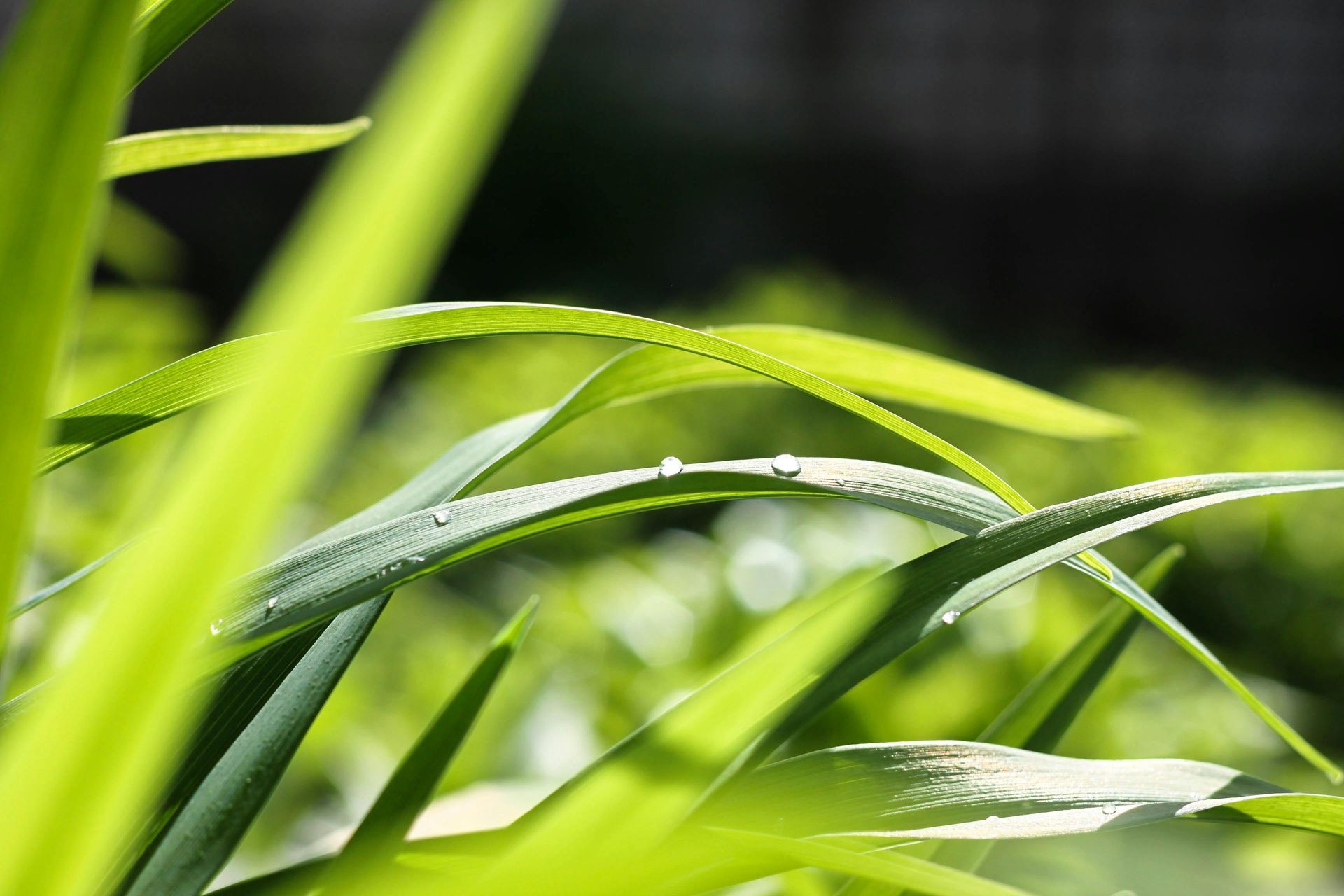
Natural Grass in Valley, AZ for properties managing high water costs and seasonal heat stress
Desert summers stress turf systems beyond what most traditional lawn varieties can handle, and maintaining green coverage in Valley requires selecting grass types adapted to extreme temperature swings and alkaline soil. EH Landscaping LLC installs natural grass lawns designed for Arizona conditions, using varieties proven to establish root systems in caliche-heavy soil and survive heat that exceeds 115 degrees. You see the difference in turf that stays rooted through monsoon winds and recovers quickly after dormancy periods.
Natural grass installation in this region involves soil amendment to break through caliche layers, selection of warm-season varieties that tolerate low humidity, and irrigation planning that delivers deep watering without runoff on compacted desert soil. The process addresses drainage patterns specific to desert landscapes where water either pools on hardpan or drains too quickly through sandy patches.
Schedule a site evaluation to assess soil composition and sun exposure for turf selection.
What Proper Desert Turf Installation Requires
Your soil gets tested for pH and caliche depth before any grass goes down, because desert soil typically registers above 8.0 pH and contains hardpan layers that prevent root penetration beyond four inches. Amendments break up compacted zones and adjust alkalinity so roots reach moisture below the surface crust that forms between watering cycles.
Once grass establishes, you notice turf that tolerates foot traffic without thinning in high-use areas and maintains color longer into fall before natural dormancy begins. EH Landscaping LLC selects varieties based on your property's microclimate—shaded zones receive different seed mixes than areas exposed to afternoon sun reflecting off block walls.
The installation includes setting irrigation zones that account for slope and soil type, ensuring water reaches root depth without creating runoff channels that waste coverage on driveways and hardscape. Turf installed without addressing these factors typically shows brown patches within one season as roots fail to establish in unamended caliche.
Questions Property Owners Ask Before Installation
Understanding what works in desert conditions helps you maintain turf that performs through seasonal extremes and manages water efficiently.
What grass varieties survive Valley summers without constant reseeding?
Bermudagrass varieties bred for desert climates establish deep root systems that access moisture below the evaporation zone, and they recover from summer stress faster than cool-season grasses that struggle above 95 degrees.
How does caliche affect lawn installation?
Caliche acts as a concrete-like barrier that stops roots from reaching deeper moisture, so installation requires breaking through this layer with mechanical tilling or creating amended planting beds that allow roots to penetrate beyond the hardpan.
When should turf be planted in Valley to ensure establishment?
Fall planting between late September and early November allows roots to develop before summer heat arrives, giving grass time to establish stress tolerance before facing temperatures that exceed 110 degrees for weeks at a time.
What irrigation adjustments does natural grass need in Arizona?
Deep, infrequent watering encourages roots to grow downward rather than staying shallow, and irrigation schedules shift between winter dormancy periods when turf needs minimal water and summer months when evaporation rates demand longer run times.
How do I know if my soil needs amendment before grass installation?
Soil that crusts hard within hours of watering or shows white caliche deposits when you dig six inches down requires amendment to support root growth, and pH testing reveals whether alkalinity levels need adjustment for nutrient absorption.
EH Landscaping LLC works with property owners throughout Valley to install natural grass systems that handle desert conditions without constant intervention. Request a soil assessment to determine amendment needs and appropriate turf varieties for your property's specific sun exposure and drainage patterns.